
A new artificial intelligence (AI) tool is set to transform how osteoporosis is detected at Kingston Health Sciences Centre (KHSC), helping thousands of patients receive earlier treatment, and reducing their risk of serious fractures.
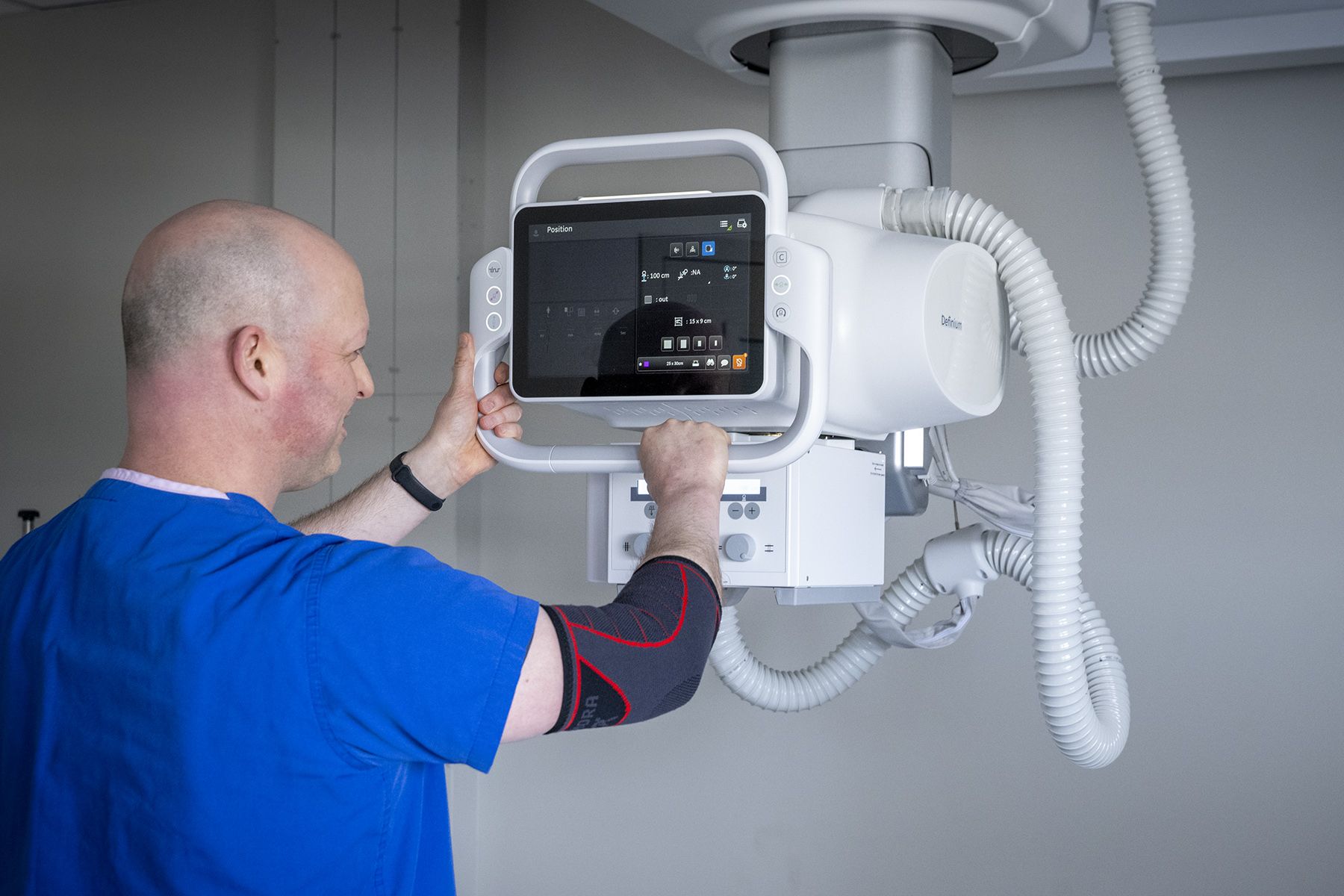
The technology, known as “Rho,” automatically analyzes standard X-rays taken for any reason in people aged 50 and over. The AI tool analyzes the X-ray and can detect, with a high likelihood, patients with low bone mineral density – a condition normally invisible to the naked eye on standard X-rays. It then generates a “Rho score” that appears in the radiologist’s report, which prompts medical teams to refer the patient for a formal bone density scan. This ensures that at-risk patients receive timely assessment and, if necessary, treatment.
“Osteoporosis is a silent and underdiagnosed condition. One in three women and one in five men will experience an osteoporotic fracture in their lifetime,” explains Dr. Omar Islam, Head of Radiology at KHSC and Queen’s University. “Fortunately, it is treatable if detected early.”
A more proactive approach to treatment
According to Dr. Islam, most patients are never screened for osteoporosis. Despite the availability of scans, many high-risk individuals never receive one until they experience a fracture.
Rho changes the equation entirely by integrating seamlessly into KHSC’s regular imaging processes. The AI tool reviews routine X-rays in the background and automatically flags any patients who meet certain criteria and who have not already undergone recent bone density testing.
Early detection matters because treatment to prevent a fracture is less invasive, more cost-effective and, of course, less painful than healing a fracture or break once it has already occurred. Timely diagnosis allows patients to begin preventive treatments that could include targeted exercises, dietary changes, or prescription medications to stop bone loss from occuring. Earlier intervention also has the potential to significantly reduce fracture risk and improve long-term quality of life.
Funding innovative improvements to patient experience
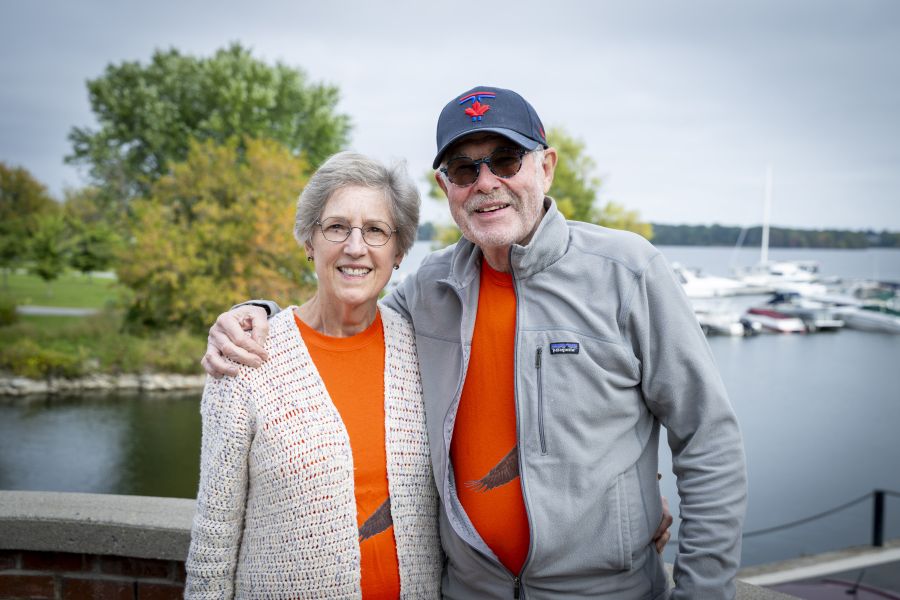
Rho was funded through the University Hospitals Kingston Foundation’s (UHKF) 2025 Davies Award for Innovation, an endowment created by longtime Kingston community champions Elaine and the late Michael L. Davies. The annual award funds practical, forward-thinking initiatives that measurably improve patient care. Project leads Dr. Islam, Nathan Tompkins and Kayla Raymond have received $35,000 to help bring Rho to KHSC.
Read more about this year's Davies Awards Recipients
The one-year pilot is expected to analyze more than 60,000 X-rays, identifying thousands of patients who may be at risk for future fractures. Experience from other hospitals already using Rho shows that the tool can increase referrals for bone density scans by 30 to 40 per cent.
By harnessing AI to transform routine imaging into an opportunity for early detection, KHSC is taking a significant step forward in proactive, data-driven patient care—made possible through the vision and generosity behind the Davies Innovation Endowment.