
Decades of cancer research—and thousands of patient tumour samples — now have a new home at Kingston Health Sciences Centre (KHSC), and this state-of-the-art space will change how researchers study cancer in the future.
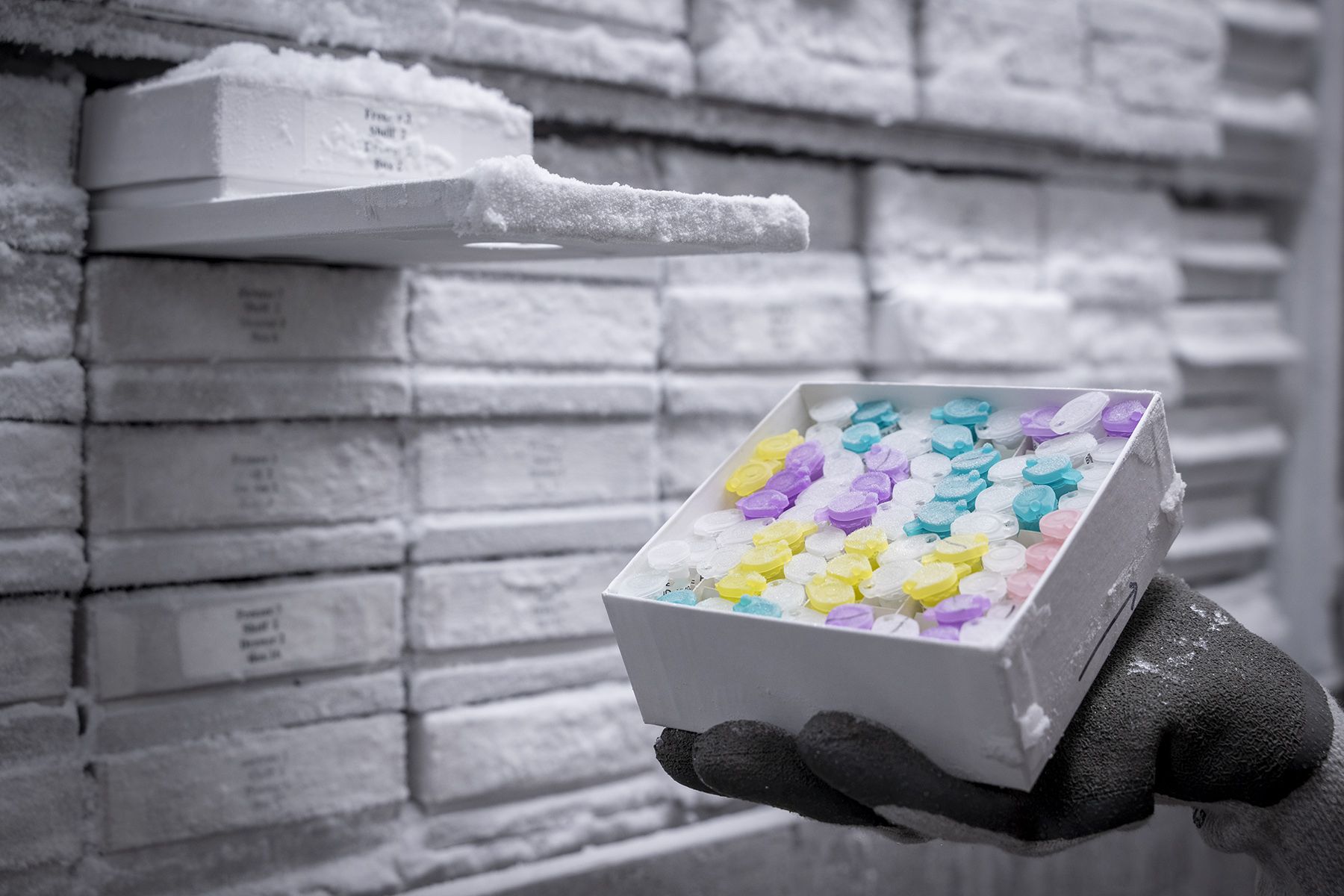
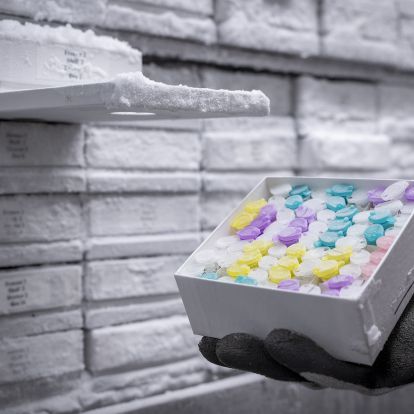
Part of the Canadian Cancer Trials Group (CCTG) , the Tumour Tissue Data Repository (TTDR) houses tissue samples collected through cancer clinical trials from around the world, including those conducted at KHSC. These samples help researchers better understand how cancers evolve and respond to treatment - knowledge that can shape more personalized treatments in the future.
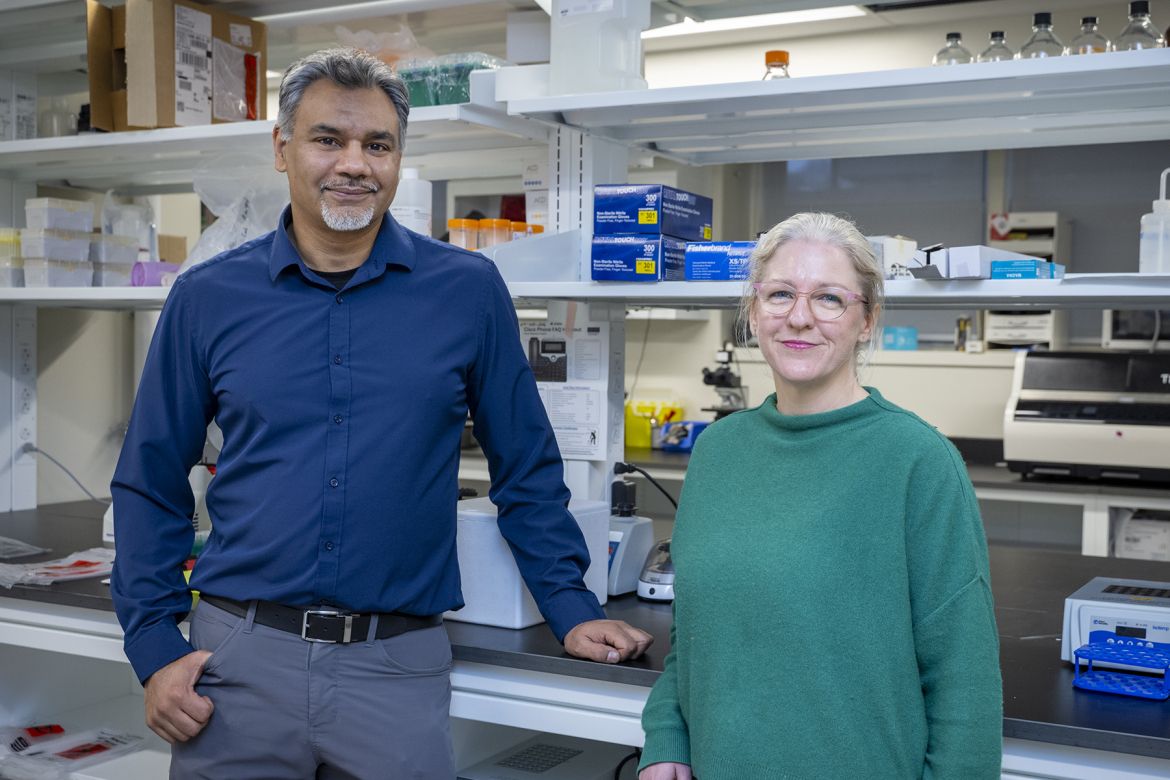
“The underlying question we look to answer is why certain cancers respond the way they do’” says Dr. Lois Shepherd, CCTG Senior Investigator and Professor in the Queen’s Department of Pathology and Molecular Medicine. “This biospecimen repository provides extraordinary long-term data that helps us better understand cancer as a disease.”
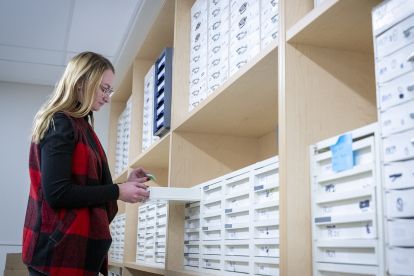
Having been in operation since 1997, it brings nearly 30 years of cancer research together and is the largest cancer clinical trials tumour bank in Canada. While both the TTDR and QLMP were distributed across multiple locations at KHSC and Queen’s University. They have now been co-located at KHSC, creating a singular space that supports clinical trials and research that bridges laboratory discoveries and patient care and is readily accessible to investigators based at the hospital, the university, and the broader research community.
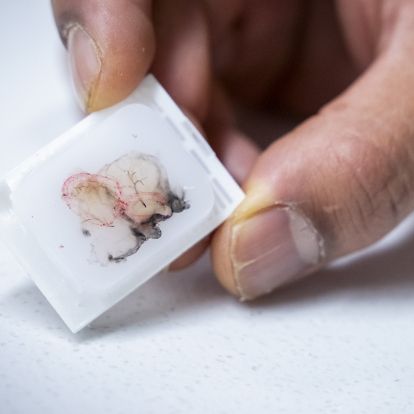
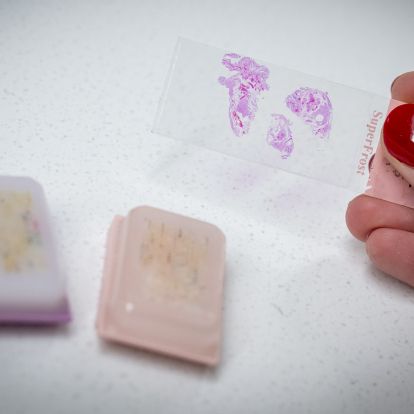
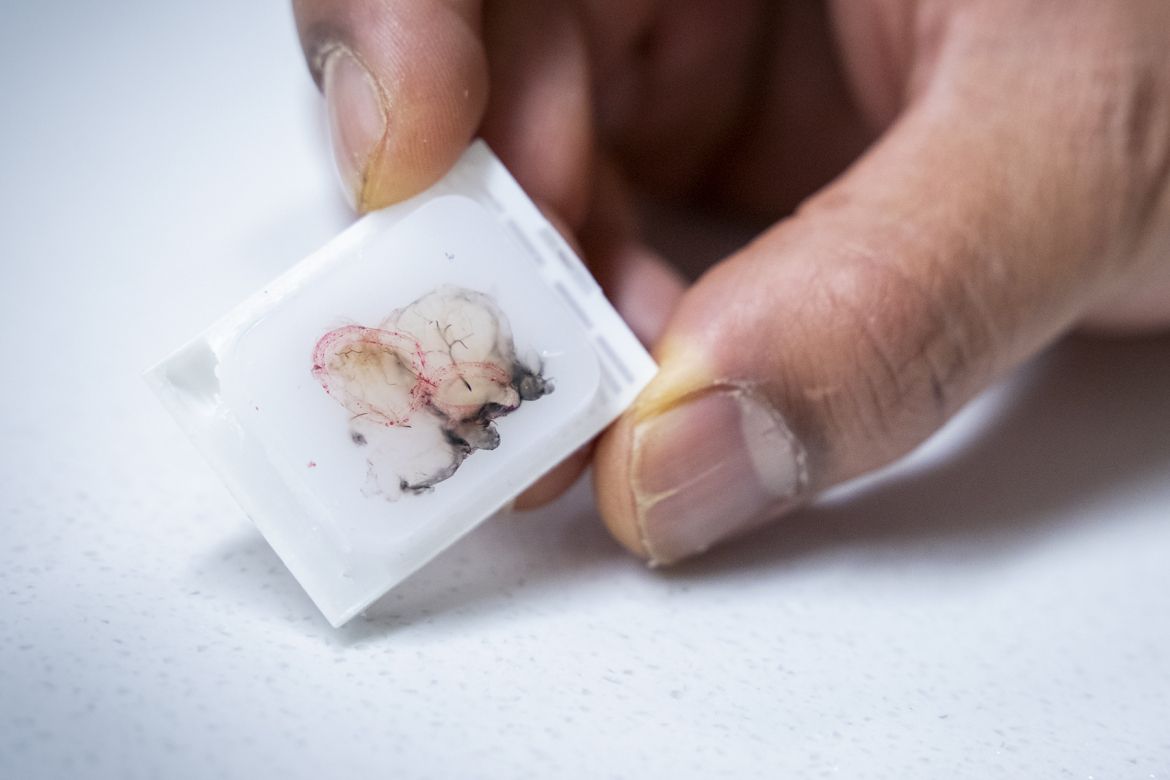
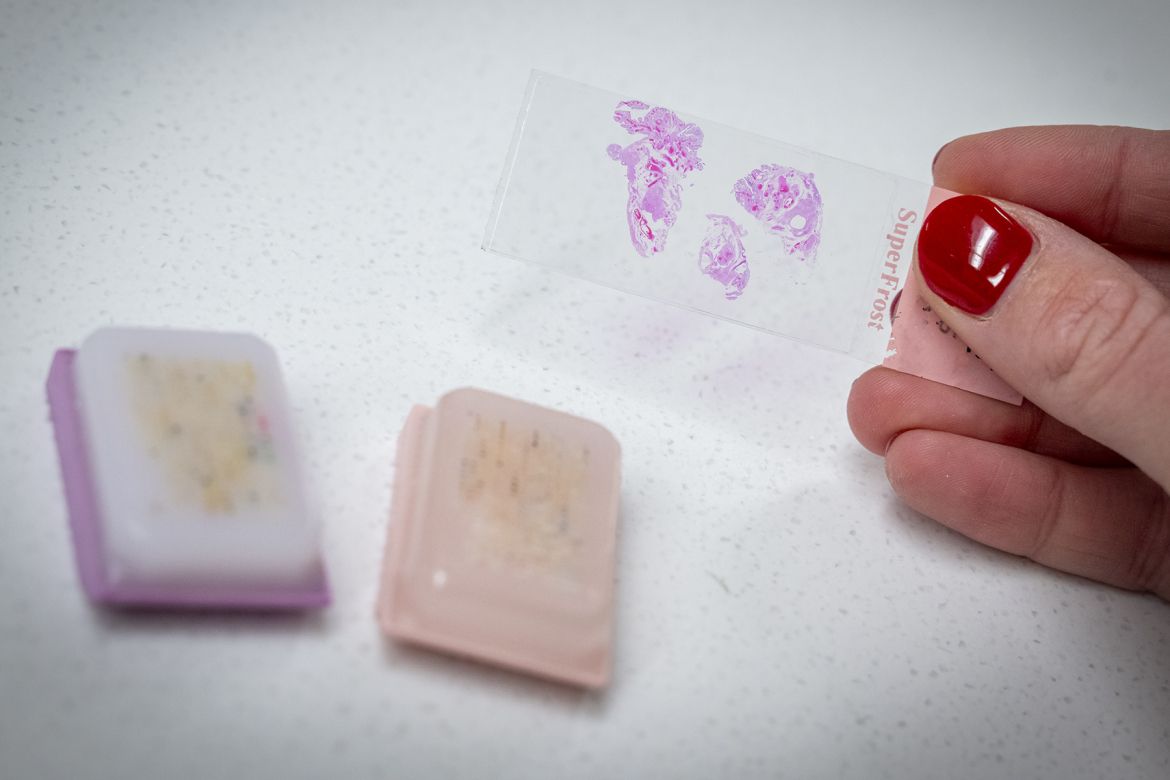
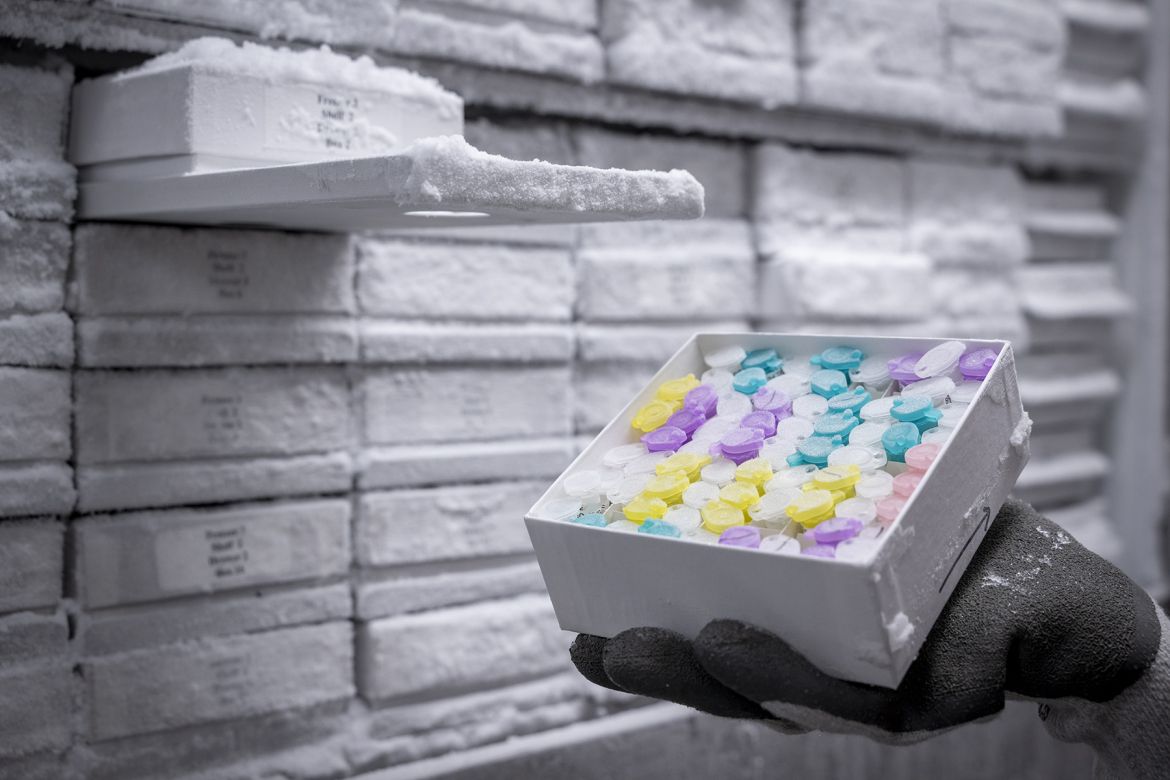
Visualizing the fight against cancer
The new facility includes advanced digital pathology tools and special freezer storage which brings together both the tissue bank and molecular pathology research teams improving the day-to-day impact of their work.
“The new facility combines tremendous technological capabilities and scientific expertise that enables our researchers to visualize the fight against cancer at molecular scale.” says Dr. David Berman, Head of the Department of Pathology & Molecular Medicine.
QLMP processes and analyzes samples using advanced technologies, including computerized image analysis, genomics, and artificial intelligence and leads tissue and genomic analysis for hundreds of KHSC patients who volunteered to participate in the Terry Fox Marathon of Hope Cancer Centre Network, a project that applies advanced genomic technologies to improve cancer treatment.
“A sample given at one point could mean changes in treatment well down the road,” says Shakeel Virk, Manager of the TTDR and Director of Operations for QLMP. “It maximizes a patient’s contribution and creates extraordinary long-term value for cancer research. We are custodians of samples donated by patients from across the world and it is critical that we use these samples responsibly to help improve how patients are treated in the future.”
Expanding opportunities for research through collaboration
“This project demonstrates the long-standing and continually expanding collaboration between KHSC and Queen’s as we align health care, research, and innovation across our many shared spaces,” says Dr. Steve Smith, President and CEO of the KHSC Research Institute and Deputy Vice-Principal Research at Queen's. “This is a fantastic example of where Kingston stands out nationally, home to the largest research tumour bank in Canada and also to some of the most talented researchers in the world, who are focused on improving the lives of patients with cancer.”
This project was made possible with the support of many partners, including the Canadian Cancer Trials Group, Queen’s University, KHSC, KHSC Research Institute, Department of Pathology and Molecular Medicine, and the Canada Foundation for Innovation .
"The beautiful new facility is the result of years of work," says Dr. Annette Hay, Clinician Scientist, Canadian Cancer Trials Group and Kingston Health Sciences Centre. "With one in two Canadians expected to be diagnosed with cancer in their lifetime, there is still much work to be done, but this dedicated space enables expansion of internationally renowned research for many years to come."